
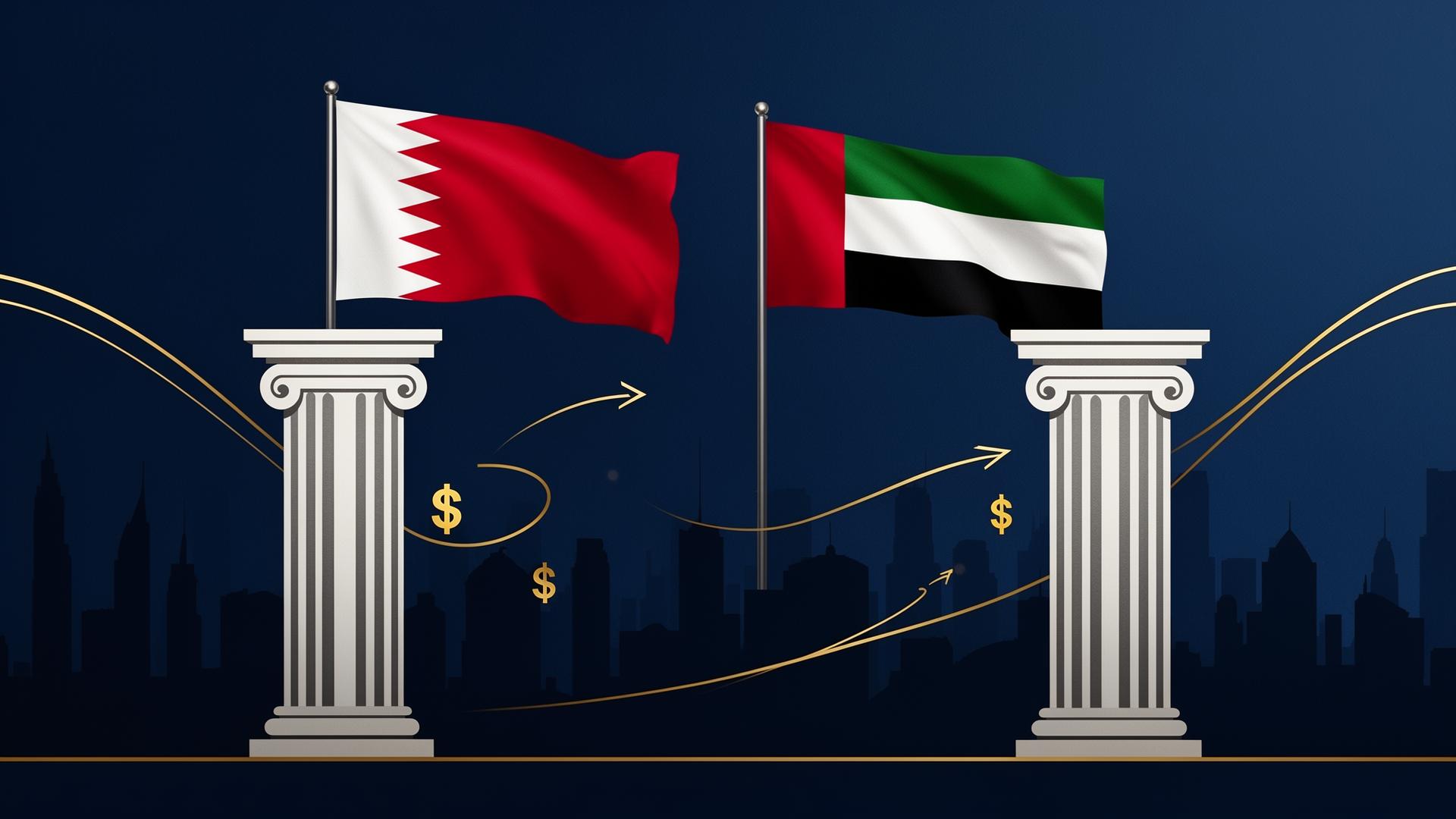
Bahrain's Economic Positioning Through the USD 2 Billion Currency Swap with the UAE
The recent USD 2 billion currency swap agreement between the Central Bank of Bahrain and the Central Bank of the United Arab Emirates represents an important economic milestone for Bahrain and the wider GCC region.
In my view, this agreement goes beyond monetary cooperation. It reflects confidence in Bahrain's economic stability, banking sector resilience, and strategic role within the Gulf economy - and highlights the increasing importance of regional integration as global markets continue facing geopolitical and economic uncertainty.
A strategic tool for liquidity, stability, and trade
Currency swap agreements are strategic tools used by central banks to strengthen liquidity access, support financial stability, and facilitate trade and investment flows between countries. A USD 2 billion arrangement is highly significant relative to Bahrain's economy - and demonstrates strong institutional confidence between both countries.
Strengthening regional economic cooperation
Supporting cross-border trade and investments
Enhancing liquidity management during volatility
Increasing confidence in regional banking systems
Supporting macroeconomic stability within the GCC
Improving resilience against external shocks
Cooperation already runs across the economy
The UAE remains one of Bahrain's most important economic and trading partners. The currency swap further strengthens this relationship through smoother liquidity cooperation across the sectors that already connect both markets.
Bahrain's strength lies not only in the scale of its economy, but in its strategic positioning, institutional credibility, and economic flexibility.
Why Bahrain remains pivotal
- Highly developed banking and services sector
- Competitive business and regulatory frameworks
- Strategic geographic location within the Gulf
- Strong regional economic connectivity
- Skilled workforce and private sector expertise
- Longstanding reputation as a regional commercial hub
What the swap unlocks
- Improved cross-border liquidity access
- Faster settlement of regional transactions
- Greater investor confidence
- Reduced transaction costs in regional trade
- Enhanced banking cooperation
- Increased GCC market integration
Smaller economies, meaningful regional influence
As GCC economies continue pursuing diversification and regional integration, monetary and economic cooperation will play an increasingly important role. Bahrain is well positioned to remain a key participant due to its economic openness, institutional credibility, financial sector strength, and forward-looking policies.
The Kingdom continues demonstrating that smaller economies can maintain significant regional influence through strategic partnerships, economic adaptability, and strong institutional governance.
The USD 2 billion currency swap reinforces Bahrain's position as a stable, connected, and strategically important economy within the GCC - and highlights the Kingdom's continued role in supporting regional resilience, cross-border cooperation, and the broader vision of Gulf economic integration.
The views in this article are my own and do not represent the position of any organisation I am affiliated with.